


As of Nov. 4, 2026, SNAP-authorized retailers other than specialty food stores (such as butchers, fish markets, and produce stands) are required to comply with the updated stocking standards described below.
See the sample pathways to compliance with the new SNAP stocking standards and interactive calculator for examples of what a SNAP retailer could stock to comply with the final rule.
There are two main pathways for a retailer to be authorized to accept SNAP benefits: (A) staple food inventory or (B) staple food sales.
Criterion A: Staple Food Inventory
To meet the new SNAP retailer requirements under Criterion A, a store must stock the following on a continuous basis:
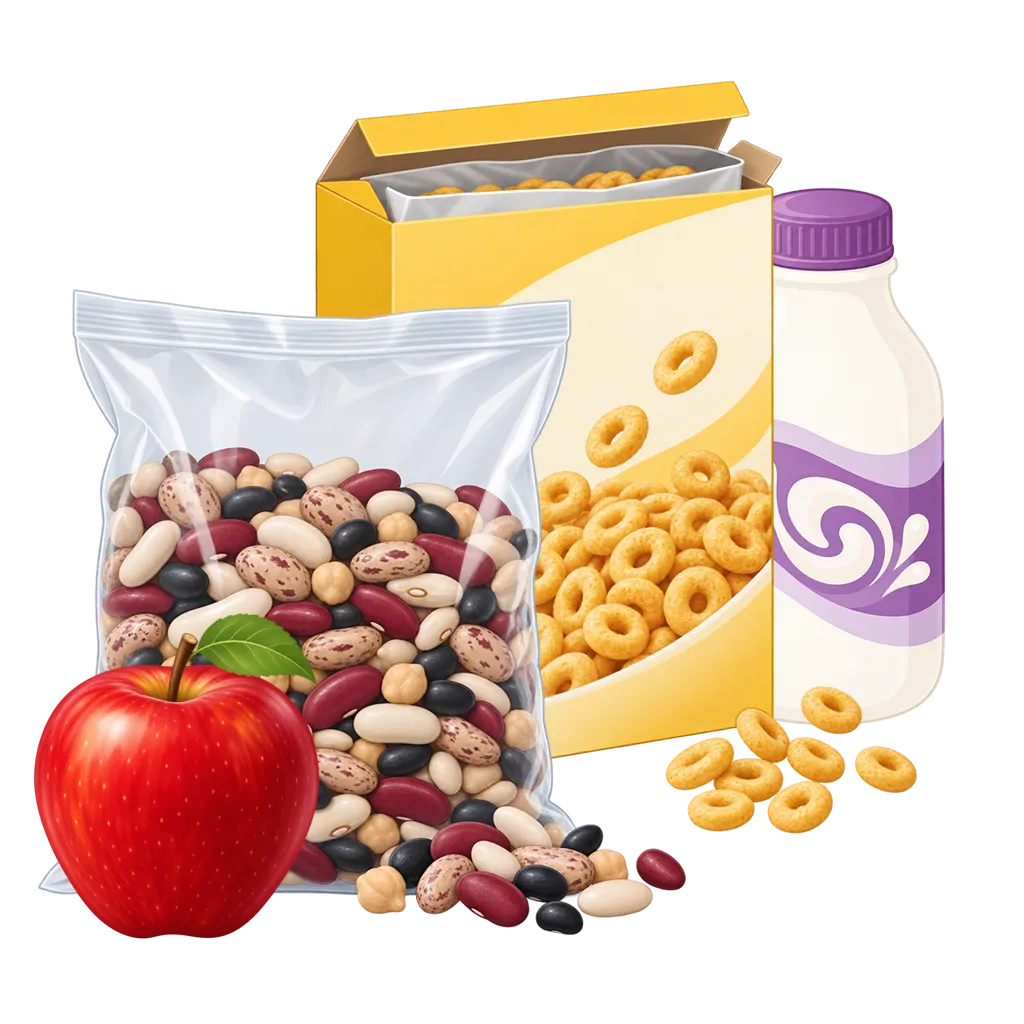
Seven (7) varieties in each of four (4) staple food categories: dairy, grains, protein, and vegetables or fruits, for a total of 28 staple food varieties.
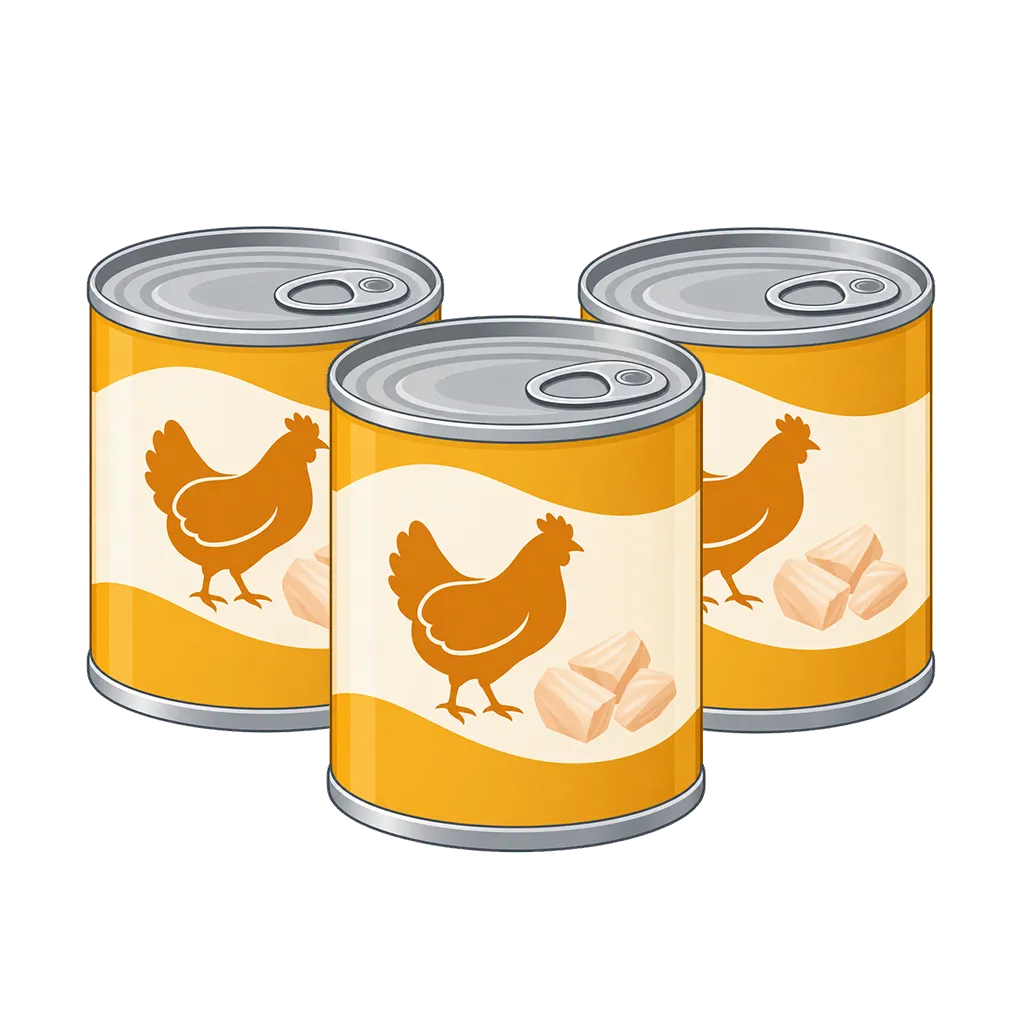
Three (3) stocking units per variety, for a total of 84 stocking units.
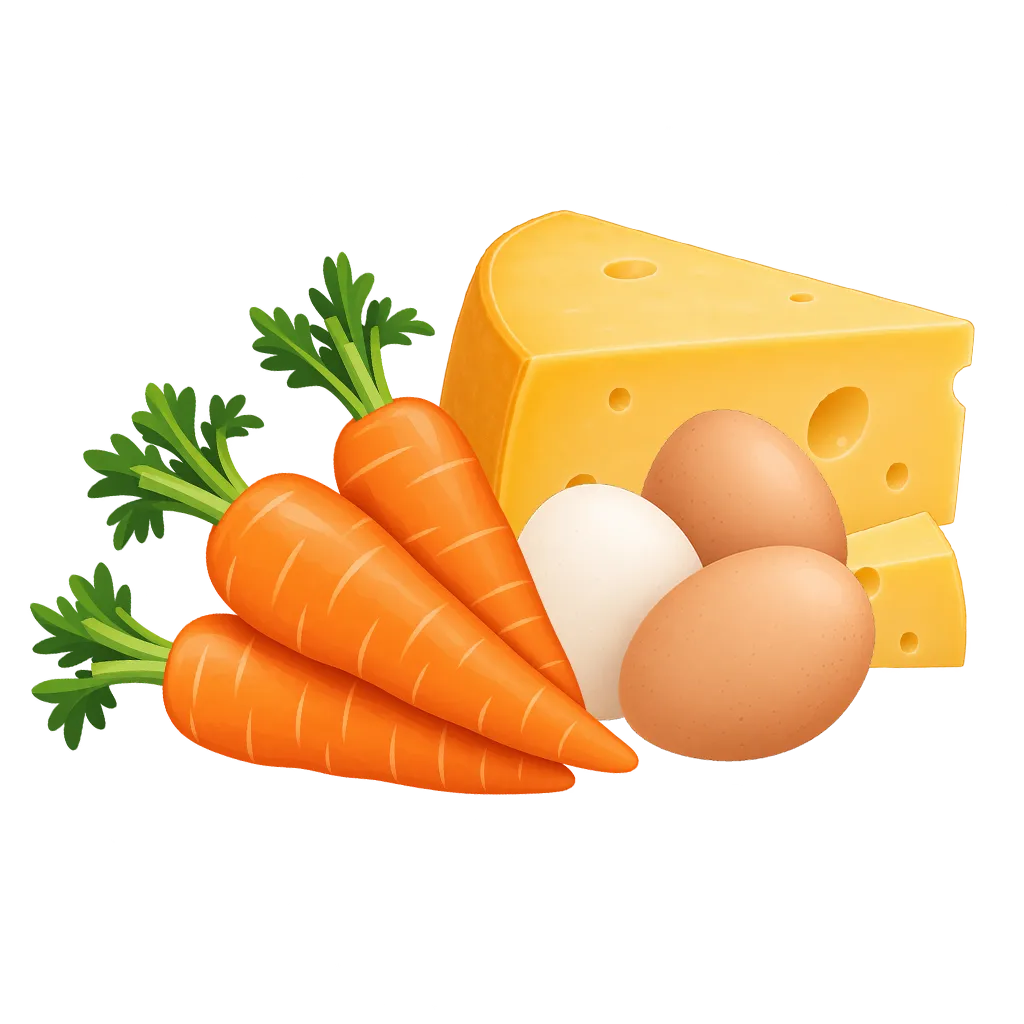
Perishable food in at least three (3) staple food categories.
Continuous basis means that on any given day of operation, a store must offer for sale, and display in a public area, sufficient varieties of staple foods required to meet the stocking standards in each staple food category.
Perishable foods can be fresh, unrefrigerated, refrigerated, or frozen. If an item requires refrigeration only after it is opened, it is not a perishable food.
A stocking unit is the format a product is usually sold in. This could be a bag, box, bunch, can, or package.
Staple Food Categories
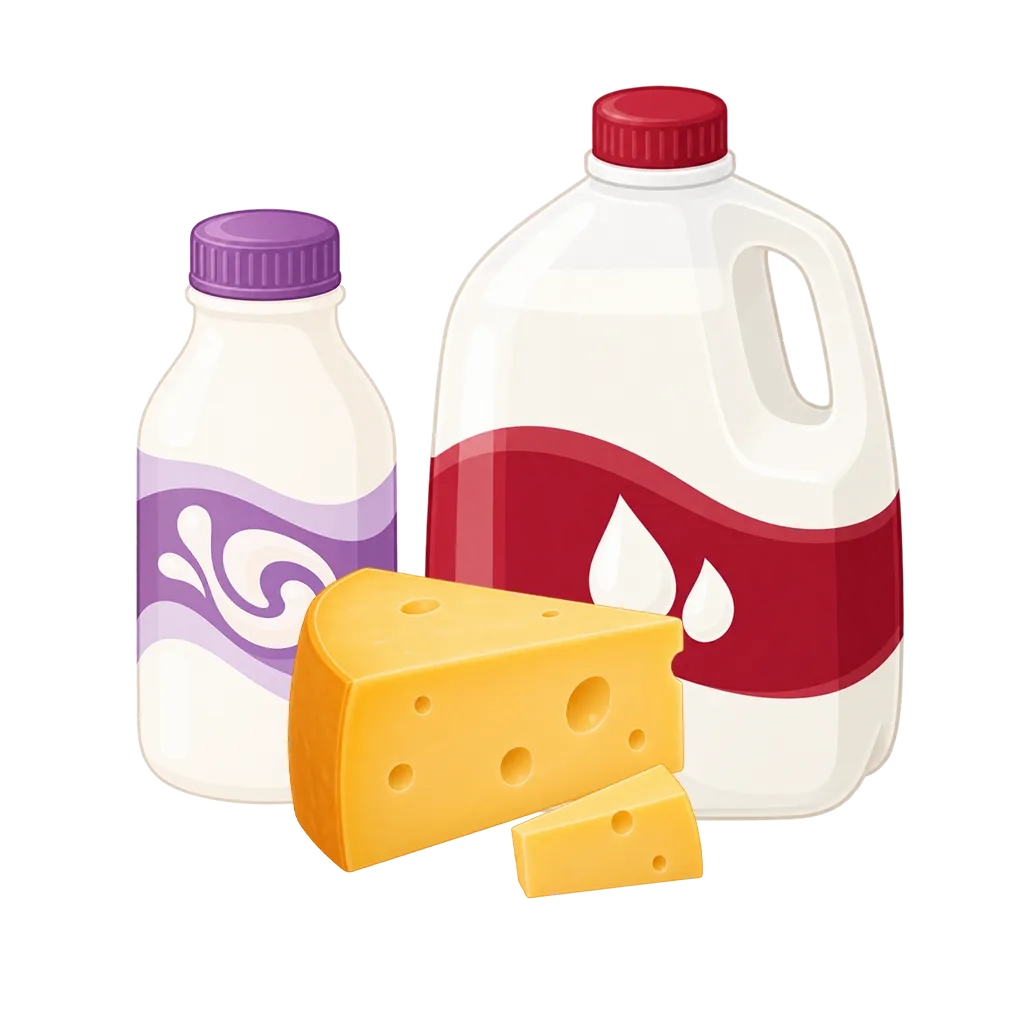
Dairy
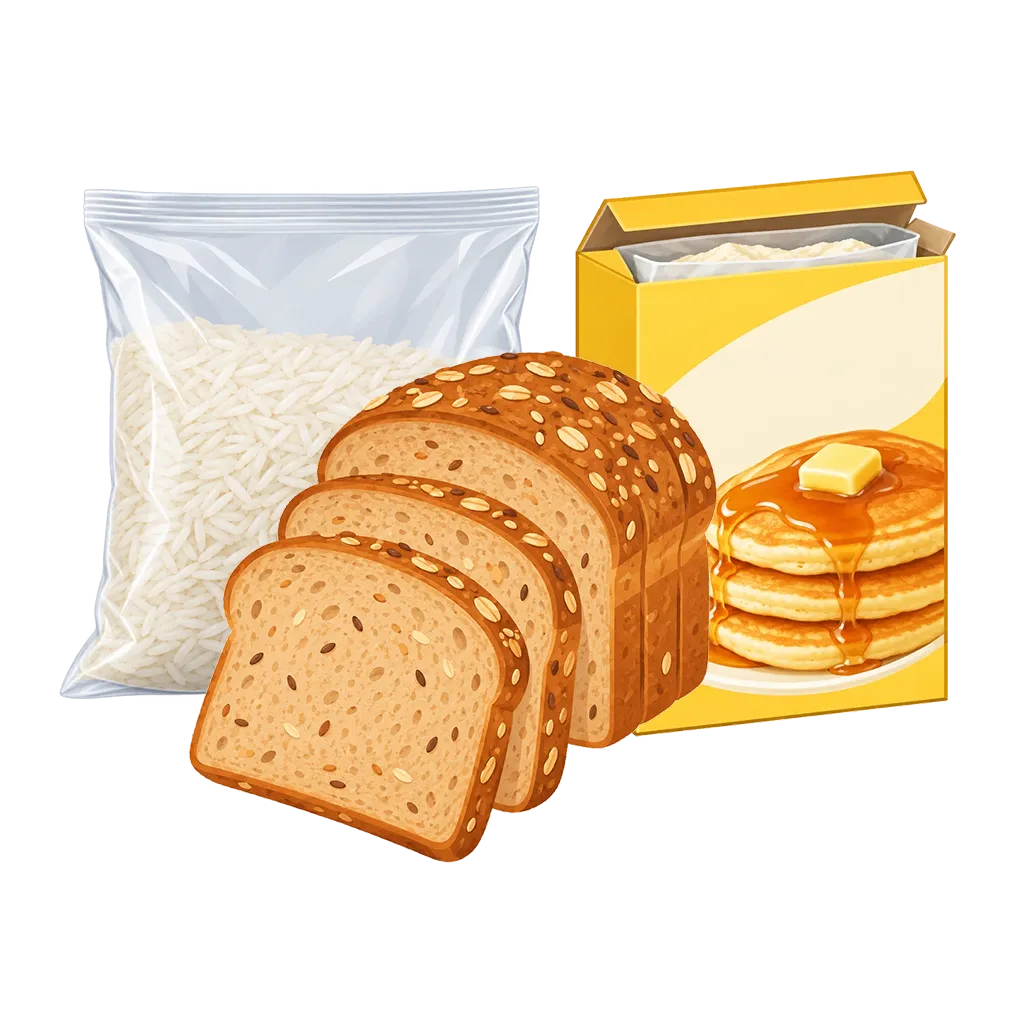
Grains
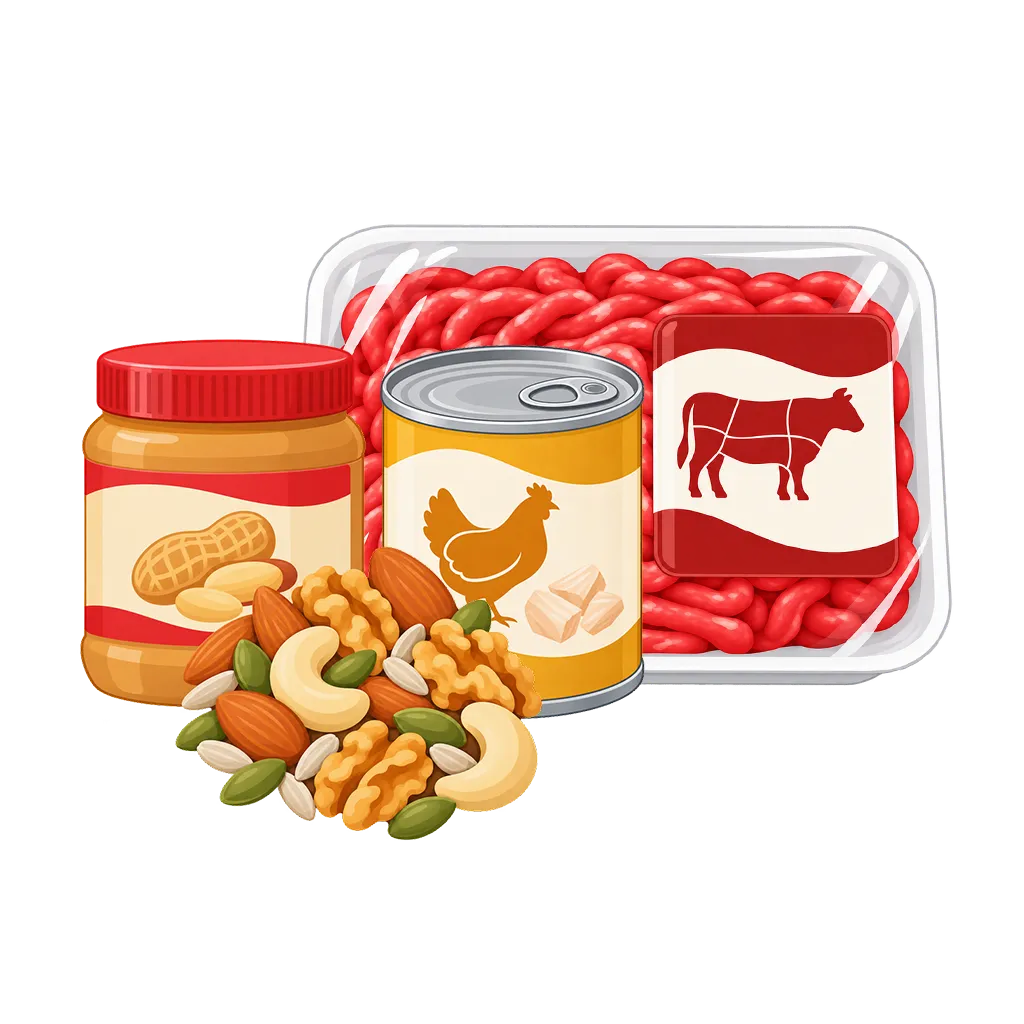
Protein
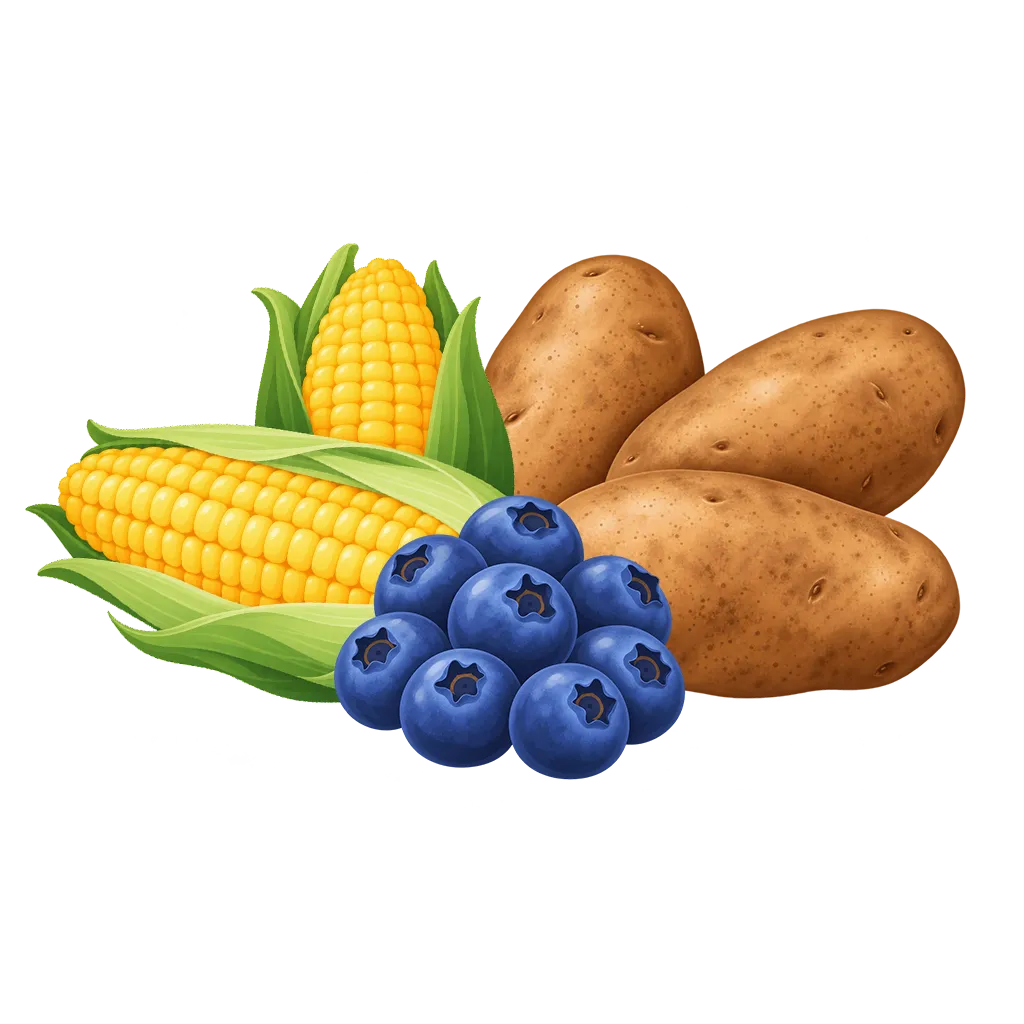
Vegetables or fruits
A variety is a food that is distinct from another food in the same staple food category.
For example:

Apples and oranges are two varieties in the vegetables or fruits staple food category.
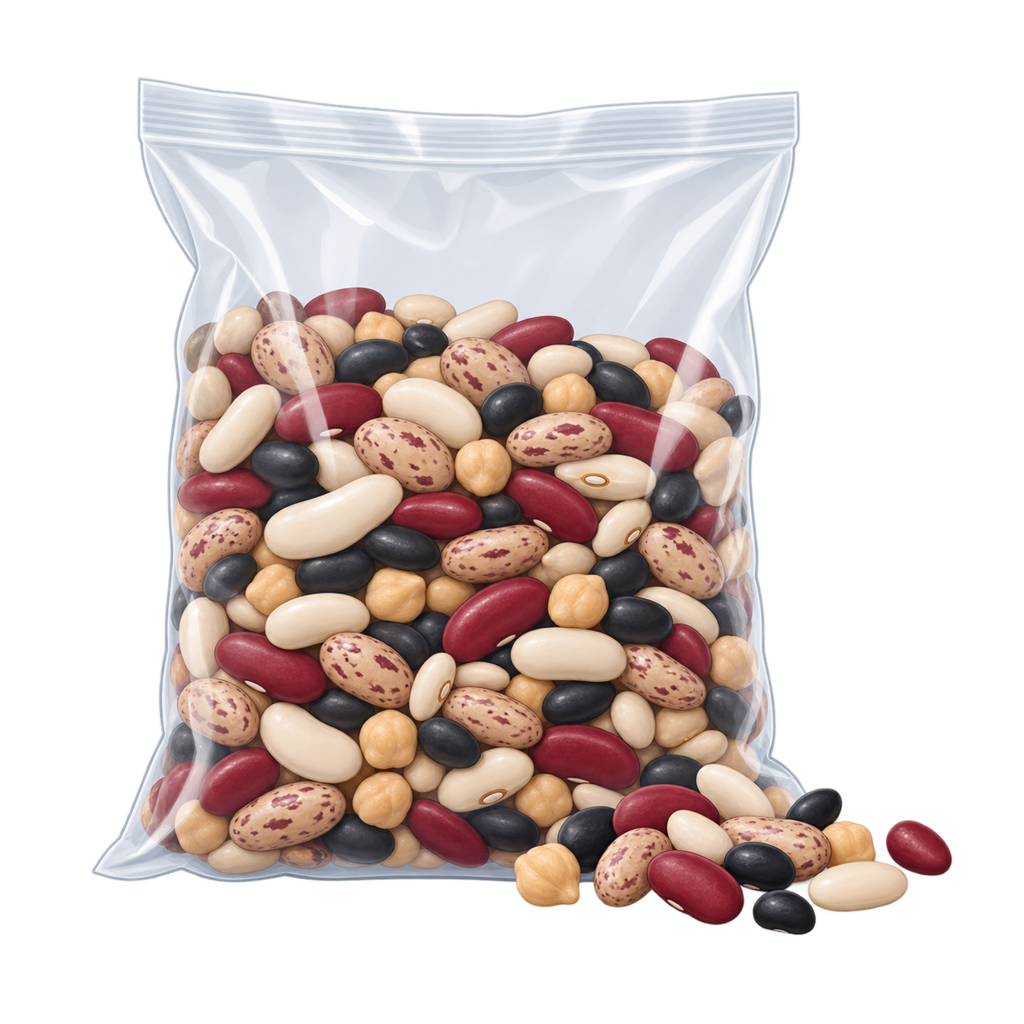
Plain, fresh chicken, and dry beans are two varieties in the protein staple food category.
Criterion B: Staple Food Sales
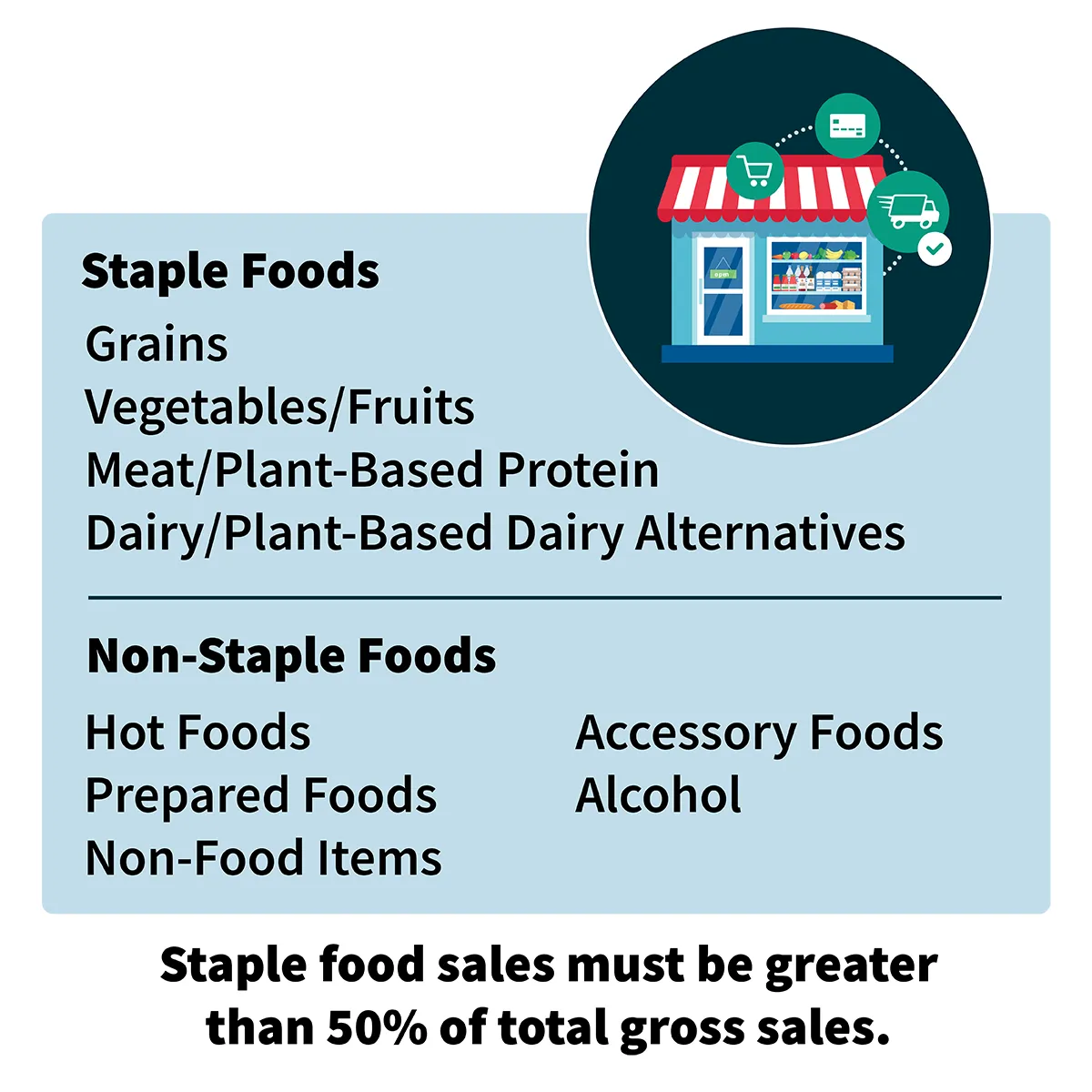
To meet this requirement, a retailer's staple foods must equal more than 50% of its total gross retail sales.
Retailers that typically qualify for Criterion B include farmers markets, farmers, and specialty local food stores, such as butcher shops and vegetable stands.

How do I Apply to be a SNAP-Authorized Retailer?
If you want to apply to accept SNAP benefits online, SEMTAC can help you get ready.