




These worksheets can be used to empower Child and Adult Care Food Program (CACFP) providers and operators with the knowledge, skills, and expertise to implement CACFP meal pattern requirements.
Meats and meat alternates provide protein, B vitamins, and minerals such as iron, zinc, and magnesium. Protein supports growing muscles in children and helps muscles stay strong in adults. The iron in many meats and meat alternates helps the body carry oxygen within the blood. Some meats and meat alternates, such as nuts, fish, and seafood, also have healthy fats that help support heart and brain health.
Meats and Meat Alternates at Lunch and Supper
In the CACFP, meats and meat alternates are a required meal component at lunch and supper for child and adult participants. The following examples show how meats and/or meat alternates may be part of lunch and supper menus.
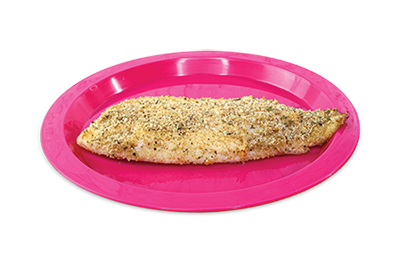
Example 1
Baked Tilapia Fish Fillets, whole grain-rich roll, whipped sweet potatoes, sliced plums, and fat-free (skim) milk
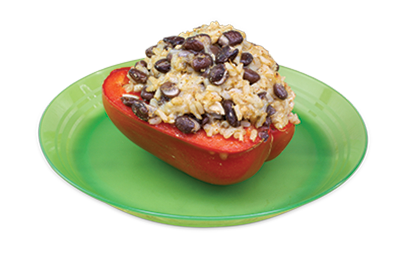
Example 2
Taco-Seasoned Stuffed Peppers (with meat and beans), salsa, corn muffin, sliced strawberries, and low-fat (1%) milk
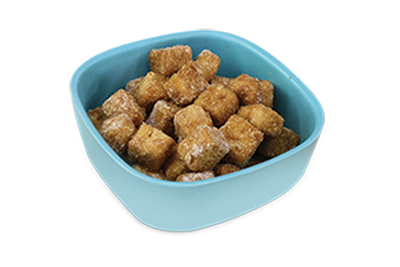
Example 3
Baked Tofu Bites, brown rice, gingered carrots, melon, and low-fat (1%) milk
Find USDA standardized recipes featuring meats and meat alternates in the Child Nutrition Recipe Box.
Make Every Bite Count!
Offering a variety of meats and meat alternates over the course of the week helps child and adult participants meet their nutritional needs while staying within saturated fat and sodium limits. Options include:
- Meats, poultry, fish, seafood, and eggs;
- Nuts, seeds, and soy products (such as tofu or tempeh);
- Beans, peas, and lentils; and
- Yogurt and cheese.
Serving Meats and Meat Alternates
The CACFP meal pattern lists the required amounts for meats and meat alternates as ounce equivalents (oz. eq.). Ounce equivalents tell you the amount of meat and/or meat alternate in a portion of food. For example, 1 oz. eq. is equal to half a large egg, 1 oz. of cooked lean meat, 4 oz. of yogurt, or 1 oz. of natural cheese.
The table below lists some meats and meat alternates that you can serve in the CACFP. For information on meats or meat alternates that are not listed in the table, please see the Food Buying Guide for Child Nutrition Programs, which also shows yields of meats, meat alternates, and other items after cooking. This can help you determine how much of an ingredient to buy to meet minimum serving amounts.
| Minimum Required Amounts at Lunch/Supper | ||||
|---|---|---|---|---|
| Meats and Meat Alternates | Ages 1 through 2 | Ages 3 through 5 | Ages 6 through 18 | Adults |
| 1 oz. eq. is equal to: | 1½ oz. eq. is equal to: | 2 oz. eq. is equal to: | 2 oz. eq. is equal to: | |
| Beans, peas, or lentils | ¼ cup (4 tablespoons) | ⅜ cup (6 tablespoons) | ½ cup (8 tablespoons) | ½ cup (8 tablespoons) |
| Beef, chicken, pork, or turkey (cooked, with skin or skinless) | 1 oz. | 1½ oz. | 2 oz. | 2 oz. |
| Cheese, natural or processed | 1 oz. | 1½ oz. | 2 oz. | 2 oz. |
| Cottage or ricotta cheese | ¼ cup (2 oz.) | ⅜ cup (3 oz.) | ½ cup (4 oz.) | ½ cup (4 oz.) |
| Eggs (whole) | ½ large egg | ¾ large egg | 1 large egg | 1 large egg |
| Fish (cooked, with skin or skinless) | 1 oz. | 1½ oz. | 2 oz. | 2 oz. |
| Nut and seed butters (e.g., peanut butter, sunflower butter, etc.) | 2 tablespoons | 3 tablespoons | 4 tablespoons | 4 tablespoons |
| Nuts and seeds | ½ oz. = ½ oz. eq. | ¾ oz. = ¾ oz. eq. | 1 oz. = 1 oz. eq. | 1 oz. = 1 oz. eq. |
| Surimi | 3 oz. | 4.4 oz. | 6 oz. | 6 oz. |
| Tempeh* | 1 oz. | 1½ oz. | 2 oz. | 2 oz. |
| Tofu (store-bought/commercially prepared) | ¼ cup (2.2 oz.) with at least 5 grams of protein | ⅜ cup (3.3 oz.) with at least 7.5 grams of protein | ½ cup (4.4 oz.) with at least 10 grams of protein | ½ cup (4.4 oz.) with at least 10 grams of protein |
| Yogurt** (including Greek and soy yogurt) | ½ cup of yogurt (4 oz.) | ¾ cup of yogurt (6 oz.) | 1 cup of yogurt (8 oz.) | 1 cup of yogurt (8 oz.) |
For information on serving meats and meat alternates at breakfast, see Team Nutrition’s Serving Meats and Meat Alternates at Breakfast.
*Applies to tempeh made with soybeans (or other legumes), tempeh culture, vinegar, seasonings, and herbs only. Tempeh containing other ingredients such as brown rice, seeds, or vegetables will require documentation.
**Yogurts served in the CACFP must contain no more than 12 grams of added sugars per 6 ounces (2 grams of added sugars per ounce). For more information, see Team Nutrition's Choose Yogurt That Is Lower in Added Sugars.
Which Meats and Meat Alternates are Creditable?
As shown in the lists below, some foods may not count toward the meats and meat alternates component in the CACFP. Other foods may need more documentation, such as a child nutrition (CN) label or Product Formulation Statement (PFS) signed by a manufacturer, so you can see how they count toward the meal pattern. Check the Food Buying Guide, or contact your state agency or sponsoring organization for more information.

Might Be Creditable
- Beef, Chicken, or pork patties
- Chicken nuggets
- Deli/luncheon meats (cold cuts)
- Fish sticks
- Hot dogs
- Jerky (meat, poultry, and seafood)
- Tempeh made with legumes and other foods like rice, seeds, vegetables, etc.
- Turkey bacon
- Vegetable patties/burgers
- Wild game meat (with inspection and approval by state or federal agency)

Not Creditable
- Bacon
- Cheese products
- Commercial frozen yogurt
- Egg yolks (when not served as part of the whole egg)
- Egg whites (when not served as part of the whole egg)
- Deep-fried foods prepared onsite
- Imitation cheese
- Salt pork
- Scrapple
Serving It Safe!

Choking Prevention
Children under the age of 4 are at a high risk of choking while eating. When serving meats and meat alternates to young children, reduce the risk of choking by:
- Grating, mashing, pureeing, or finely chopping food into thin slices, strips, or small pieces that are no larger than a ½ inch. If serving round or tube-shaped foods (e.g., sausages, hot dogs, string cheese, etc.), cut them into short strips instead of round pieces.
- Removing all bones from fish, chicken, and meat before cooking or serving.
- Finely chopping nuts and seeds, if served. Nuts and seeds are generally not recommended for young children because they present a choking hazard.
- Serving only creamy, not chunky, nut butters. If serving nut butters, spread them thinly on other foods (e.g. toast, crackers, etc.).
For more information, see USDA’s Reducing the Risk of Choking in Young Children at Mealtimes.
Allergies
Some participants may be allergic to meats or meat alternates, such as fish, shellfish, eggs, nuts, and soybeans. Be sure to discuss any allergies with parents and caregivers and follow proper guidelines to prevent allergic reactions.
Food Safety

It is important to follow safe food handling practices when storing, thawing, preparing, and serving meats and meat alternates. Learn more at FoodSafety.gov. Refer to state and local requirements for cooking and storage temperatures.
Best Choices for Fish
Choose fish that are lower in mercury, such as canned light tuna, salmon, tilapia, cod, flounder, and haddock. For more information, see the U.S. Food and Drug Administration’s Advice about Eating Fish. You can also contact your state or local health department or call 1-888-SAFEFOOD (1-888-723-3366) for more information.
Menu Planning Tips
- Beans, peas, and lentils can be served as either the meat alternate or vegetable component of the meal in the CACFP. You may not credit beans, peas, and lentils as both a meat alternate and a vegetable for the same meal or snack. If you serve two different beans, peas, or lentils at a meal, you may credit one as a meat alternate, and the other as a vegetable, if you serve the minimum creditable amount of each.
- Pasta made of bean flour(s) must be served with another visible meat or meat alternate, such as cheese or meat, to credit as a meat alternate.
- In smoothies, yogurt may credit as a meat alternate. Other meats or meat alternates used in smoothies (e.g., nut butter, tofu, etc.) may not credit toward the meats and meat alternates component.
- For adult participants only: When yogurt is served in place of milk, it may not count as a meat alternate at the same meal.
Preparation Methods
Foods that are deep-fat fried onsite are not creditable in the CACFP. Try cooking methods such as roasting, sautéing, and grilling. For more ideas, see Team Nutrition’s Methods for Healthy Cooking worksheet, webinar, and training slides available from the CACFP Training Tools webpage.